
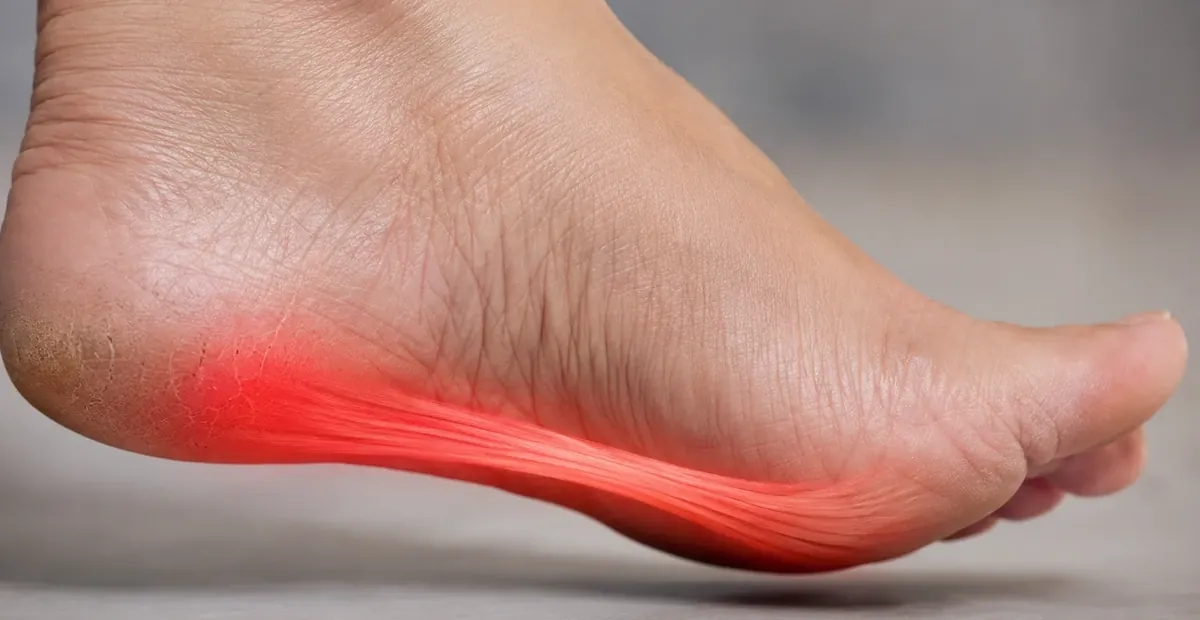
In brief: Shockwave is one option a clinician may discuss for persistent plantar-fascia pain, particularly after simpler treatments have not produced enough improvement. Heel pain has several possible causes, so an accurate diagnosis and a conversation about alternatives should come before treatment.
What plantar fasciitis means
The plantar fascia is a strong band of tissue along the bottom of the foot. Pain commonly occurs near its attachment to the heel. People often notice discomfort with the first steps after rest, although symptoms vary. “Heel spur” and “plantar fasciitis” are not interchangeable diagnoses; an imaging finding does not automatically explain the pain.
Why shockwave may enter the conversation
Many people start with conservative measures selected for their circumstances, such as activity modification, stretching or strengthening, footwear changes, orthoses, physical therapy and medication discussions. Shockwave may be considered when symptoms persist, but the sequence is individualized.
The FDA has approved specific extracorporeal shock-wave devices for defined indications involving chronic proximal plantar fasciitis after unsuccessful conservative treatment. That does not mean every device has identical authorization or that every patient with heel pain meets a device’s indication.
Focused or radial treatment?
Both focused shockwave and radial pressure-wave systems appear in plantar-fascia care. They distribute energy differently. Ask which system the office uses, whether its intended use fits your condition and how the clinician chose the proposed protocol.
What the evidence can and cannot tell you
Clinical studies and guidance do not justify a guaranteed result. Outcomes can differ with patient selection, chronicity, device, treatment parameters, comparison treatment and how success is measured. NICE has noted uncertainty in the efficacy evidence for refractory plantar fasciitis while describing no major safety concerns in the evidence it reviewed. A balanced consultation should acknowledge both potential benefit and uncertainty.
Other causes of heel pain matter
Not every painful heel is plantar fasciitis. Nerve irritation, a stress injury, an inflamed fat pad, arthritis, tendon problems and pain referred from elsewhere can produce overlapping symptoms. Pain location and timing can provide clues, but self-diagnosis from a checklist is unreliable. A provider should reconsider the diagnosis when symptoms or examination findings do not fit the usual pattern.
What care may continue alongside shockwave
The clinician may recommend changes in loading, calf or plantar-fascia stretching, strengthening, footwear, taping, orthoses, physical therapy or other measures. Shockwave should not automatically replace a plan that addresses movement, work demands or training errors. Ask which parts of your current program should continue and how they fit together.
Questions for your examination
- What findings support plantar-fascia pain rather than another cause?
- Do I need imaging, and what question would it answer?
- Which conservative measures remain reasonable?
- Why are you considering shockwave now?
- What improvement would count as meaningful?
Questions about the treatment itself
- What is the device name and wave type?
- How many sessions are proposed?
- What should I do with exercise, running or work activity during the plan?
- What discomfort or side effects should prompt a call?
- What happens if my symptoms do not improve?
Finding a provider
Look for a podiatry practice that evaluates heel pain rather than selling a procedure in isolation. Confirm that the treatment is offered at your chosen office and ask whether the clinician routinely manages plantar-fascia problems. Use the directory’s plantar-fasciitis results as a starting list, then verify the details directly.
Reasons to request a fresh evaluation
Seek timely assessment when heel pain follows a significant injury, weight bearing becomes difficult, numbness or weakness appears, the foot is red or unusually swollen, or symptoms are changing rapidly. Those situations may call for a different workup before any elective procedure is discussed.
Find care near you
Compare local foot and ankle shockwave providers
Browse the directory by state and city, then contact the practice to confirm its device, treatment location and experience with your condition.
Find providers by stateSources and further reading
- FDA: Orthospec ESWT device approval and indication
- NICE: ESWT for refractory plantar fasciitis
- Mayo Clinic Q&A: Shockwave therapy and foot problems
This guide is general information, not medical advice. It does not diagnose a condition, determine candidacy or replace care from a qualified clinician.