
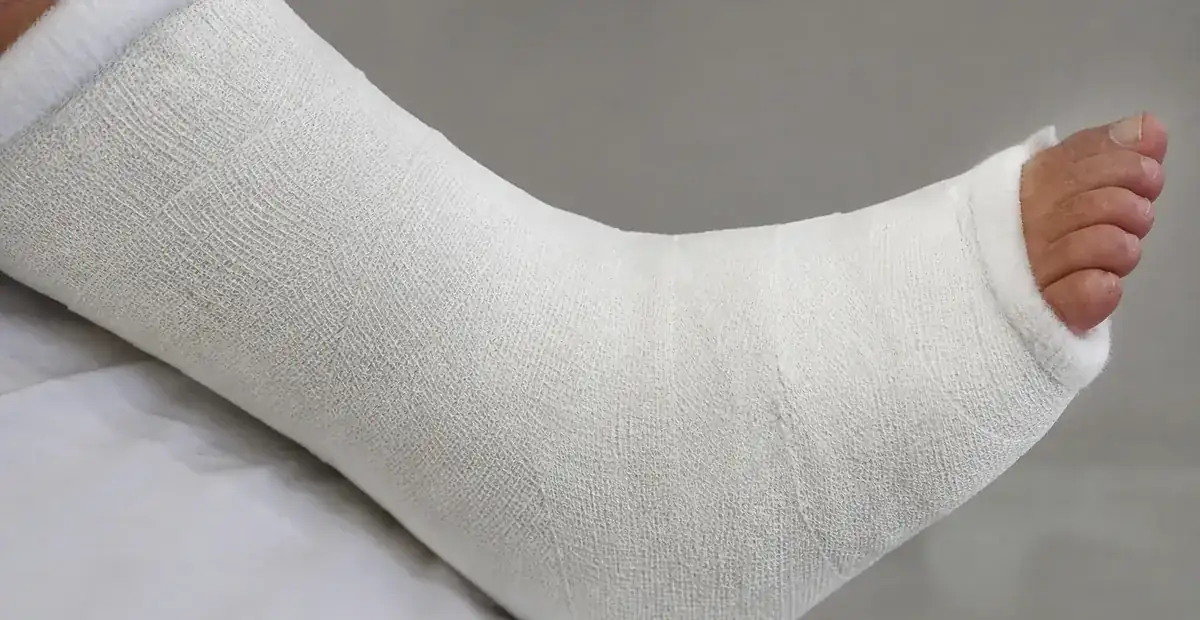
This is specialist territory: A suspected stress fracture requires diagnosis, protection from harmful loading and an understanding of why the injury occurred. Shockwave may be discussed for selected bone-healing problems, but it should not replace standard fracture care or encourage an early return to activity.
Stress fracture, delayed union and nonunion are different
A stress injury develops when repeated load exceeds the bone’s ability to recover. Delayed union and nonunion describe healing problems after a fracture. Location, imaging findings, time course and risk factors affect management. These labels should not be inferred from pain alone.
Why focused treatment may be discussed
Focused shockwave can concentrate energy at depth and is included by ISMST among recognized uses involving stress fracture, delayed bone healing and nonunion. Mayo Clinic also discusses bone-related indications in its current overview. Those statements do not mean every fracture should receive treatment or that every shockwave device is designed for bone.
Questions that come before the procedure
- What imaging confirms the diagnosis?
- Is this a high-risk stress-fracture location?
- How should weight bearing or activity change now?
- Are nutrition, bone health, hormones, medication or training load contributing?
- What standard treatments are recommended?
- Why is shockwave being considered at this stage?
Why identifying risk factors matters
A stress injury may reflect a sudden training increase, repetitive occupational load, low energy availability, low bone density, medication effects, hormonal factors or biomechanics. Treating the painful spot without examining contributing factors can leave the underlying problem unchanged.
Device and expertise matter
A generic radial pressure-wave service advertised for soft-tissue pain should not automatically be assumed to provide focused treatment for bone. Ask for the exact equipment, targeting method, clinician training and evidence relevant to the specific bone and diagnosis.
How should success be followed?
Pain alone may not establish bone healing. The clinician should explain the role of examination, imaging and graded return to activity. Feeling better too early can be risky if it leads to loading a bone before it is ready.
Return to work or sport
A return plan should be tied to the fracture location, symptoms, healing evidence and functional progression—not simply the date of the last shockwave session. Ask who is responsible for clearance and what milestones must be met.
When a directory is not the first stop
If you cannot bear weight, have severe focal pain after an injury, notice increasing swelling or suspect a fracture, seek timely medical assessment. Do not book a procedure based only on a marketing page.
Choosing a provider
For a bone-healing question, prioritize a licensed clinician who diagnoses and manages fractures and can coordinate imaging and follow-up. Confirm that the practice’s published “shockwave” service is the modality actually being proposed for bone—not simply a similarly named treatment used for superficial soft tissue.
Questions about evidence
Ask whether the provider’s evidence concerns your specific bone problem, not just bone healing in general. Useful details include diagnosis, fracture location, device type, targeting method and the standard care used alongside the procedure. A provider should be willing to explain where evidence is limited.
Find care near you
Compare local foot and ankle shockwave providers
Browse the directory by state and city, then contact the practice to confirm its device, treatment location and experience with your condition.
Find providers by stateSources and further reading
This guide is general information, not medical advice. It does not diagnose a condition, determine candidacy or replace care from a qualified clinician.