
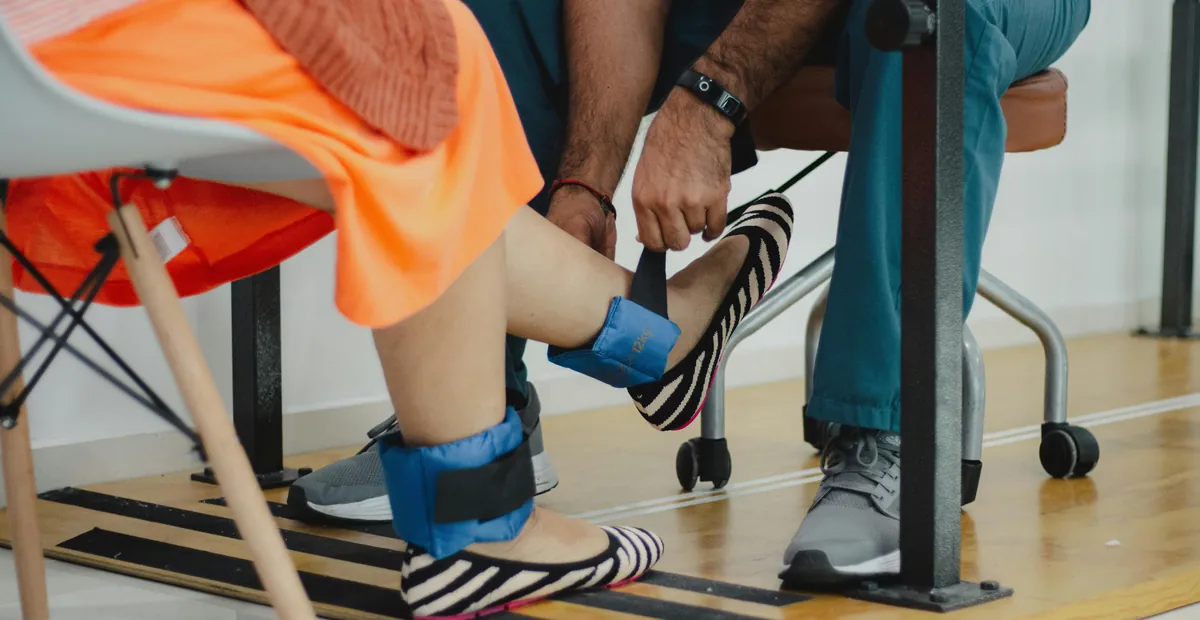
A typical visit has two separate jobs: deciding whether the diagnosis and treatment make sense, and then delivering the procedure. Some practices do both on one day; others schedule treatment after an evaluation. Ask which kind of appointment you are booking.
Before the appointment
The office may ask about symptoms, previous treatment, medical conditions and medications. Bring relevant imaging reports, a medication list and footwear or braces you use. Tell the clinician about pregnancy, cancer in the treatment area, bleeding or clotting concerns, anticoagulant medication, implanted devices, open wounds or recent surgery. The relevance can depend on the device and treatment area, so disclose rather than self-screen.
Ask whether you should wear shorts or loose clothing, whether lotions should be avoided on the area and whether the first visit is an evaluation or a treatment appointment. Do not stop prescribed medication unless the prescribing or treating clinician gives you specific instructions.
Step 1: Confirming the treatment target
The clinician should identify the painful structure and explain why shockwave is being considered. They may mark the treatment area or use imaging guidance in selected circumstances. This is the moment to clarify the device, wave type and goal.
Step 2: Positioning and coupling gel
You will usually sit or lie in a position that exposes the heel, tendon or other target. A gel helps transmit acoustic energy from the applicator through the skin.
Step 3: Delivering the pulses
The applicator is held against the treatment area. Patients often describe tapping, pulsing or pressure. Sensation can change as the clinician moves the applicator or adjusts settings. Speak up about pain. The right response is a clinical adjustment—not an assumption that the treatment must be endured at any intensity.
The number of pulses and treatment time vary. Some protocols use imaging guidance and some rely on clinical localization. Ask whether anesthesia is used and why; approaches can differ by device and energy.
Step 4: Immediate aftercare
The treated area may feel sore or tender. Mild redness or bruising can occur. Instructions vary, so ask what activity is allowed, whether medication advice changes and which symptoms warrant a call. Do not substitute general internet instructions for the plan given by the treating clinician.
What to ask before leaving
- What should I expect over the next 24 to 48 hours?
- Which activities should I continue, modify or avoid?
- What is the next appointment and why?
- How will progress be measured?
- Who should I contact if symptoms worsen?
If the first visit feels like a sales consultation
Pause if you are asked to buy a large package before the diagnosis, device, alternatives, expected costs and reassessment plan are clear. A medical procedure deserves informed consent and room for questions.
After you get home
Follow the office’s instructions rather than a generic recovery schedule. Keep a simple record of soreness, daily activity and the specific function you want to improve. Contact the practice about symptoms outside the range it described, especially rapidly increasing pain, new weakness, substantial bruising or a change in sensation.
Find care near you
Compare local foot and ankle shockwave providers
Browse the directory by state and city, then contact the practice to confirm its device, treatment location and experience with your condition.
Find providers by stateSources and further reading
- Mayo Clinic: Side effects, devices and treatment considerations
- NICE: Description of an ESWT procedure for plantar fasciitis
- ISMST contraindication recommendations
This guide is general information, not medical advice. It does not diagnose a condition, determine candidacy or replace care from a qualified clinician.